
Every event planner eventually faces the same question when building out a program: do you invest in performers who move, react, and interact with the room, or do you rely on static elements like decor, photo backdrops, and pre-recorded visuals to set the mood? The answer shapes everything from your budget to your floor plan to how long guests actually stay engaged.
In this guide, we’ll break down the real differences between live and static entertainment, when each one works best, and why so many Toronto companies are shifting their budgets toward live, performance-based experiences.
What’s the Difference Between Live and Static Entertainment?
Live entertainment refers to any performance that happens in real time, in front of your guests — dancers, live bands, aerialists, magicians, comedians, or interactive acts that respond to the room as it unfolds. No two performances are identical, and the energy is shaped directly by audience reaction.
Static entertainment, by contrast, covers pre-set or non-performance elements: themed decor, photo booths with fixed backdrops, projected visuals, ambient playlists, or looping video content. These elements set a tone but don’t change or respond based on who’s in the room.
Neither category is inherently “better”; most successful events actually use a combination of both. But when it comes to guest engagement specifically, the data and the day-of experience tend to favour live performance in a big way.
Why Live Entertainment Tends to Win on Engagement
1. It Captures and Holds Attention
Human attention is drawn to movement, unpredictability, and live risk; it’s a basic feature of how we process our environment. A static backdrop or looping visual, however beautifully designed, becomes background noise within minutes. A live dance performance, on the other hand, builds tension and payoff in real time, which keeps eyes on the stage from start to finish.
2. It Creates Shared Moments
One of the biggest advantages of live entertainment is that it happens once, in front of everyone, at the same time. That shared, unrepeatable moment becomes something guests talk about after the event; a specific number, a specific reaction, a specific “did you see that?” Static entertainment rarely produces that same kind of collective memory, because it’s the same experience whether five people or five hundred walk past it.
3. It Reinforces Brand Storytelling
A well-choreographed live dance show can be built entirely around your brand’s narrative; its colours, its energy, even its product story in a way that static visuals can only hint at. Choreography, music selection, costuming, and staging all become tools to communicate something specific about who you are as a company, rather than simply decorating the room around your message.
4. It Encourages Participation
Many live acts are built with audience interaction in mind, inviting guests up, taking real-time requests, or reacting to crowd energy. That participation transforms guests from passive observers into part of the experience itself, which research on event engagement consistently links to stronger recall and more positive sentiment toward the host brand afterward.
Where Static Entertainment Still Plays an Important Role
None of this means static entertainment should be cut from your event plan. It plays a genuinely important supporting role:
- Setting tone before guests are fully seated — ambient music, lighting, and decor establish mood during arrival and cocktail hour, before the “main” entertainment begins.
- Filling transitional moments — a looping highlight reel or photo backdrop keeps energy up during breaks, staging changes, or meal service.
- Supporting brand visibility — logos, signage, and themed decor reinforce your identity throughout the space, not just during a single performance window.
- Working within tighter budgets — static elements are often more cost-effective, making them useful for smaller internal events where a full live production isn’t necessary.
The strongest events tend to treat static entertainment as the frame and live entertainment as the centerpiece — decor and ambiance carry the room between moments, while live performance delivers the moments themselves.
Live vs. Static Entertainment: A Side-by-Side Comparison
| Factor | Live Entertainment | Static Entertainment |
|---|---|---|
| Guest attention span | High — holds focus through unpredictability and movement | Lower — becomes background after initial impression |
| Memorability | Strong — creates shared, talked-about moments | Moderate — supports mood but rarely becomes “the story” |
| Brand storytelling | Highly customizable through choreography, music, and staging | Limited to visual/graphic branding |
| Budget | Higher, scales with production complexity | Generally lower and more predictable |
| Best used for | Signature moments — galas, launches, milestone celebrations | Ambiance and transitions — arrivals, cocktail hours, breaks |
How to Decide What Your Event Needs
A few questions can help clarify how to split your entertainment budget between live and static elements:
- What’s the core goal of the event? If it’s about creating a standout, talked-about moment — a launch, a milestone, an executive gala — lean toward live performance as the centerpiece.
- How long is the event? Longer events benefit from a mix, using static elements to sustain mood during downtime and live moments to punctuate key parts of the evening.
- What’s your guest count? Larger crowds tend to respond especially well to live, high-visibility performance, since static decor loses impact the further guests are from it.
- What’s your budget ceiling? If resources are limited, one well-placed live moment — even a shorter performance — will usually outperform a room full of static decor in terms of guest recall.
Why Live Dance Performances Are One of the Strongest Choices
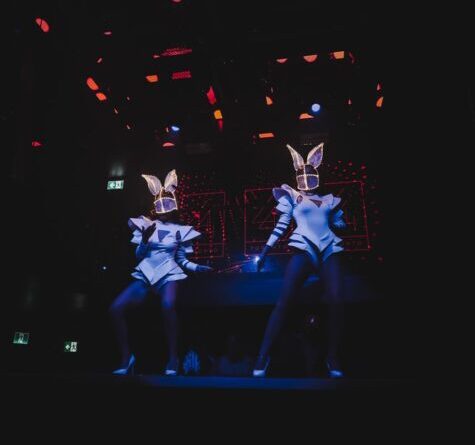
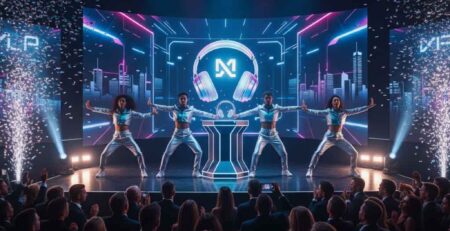
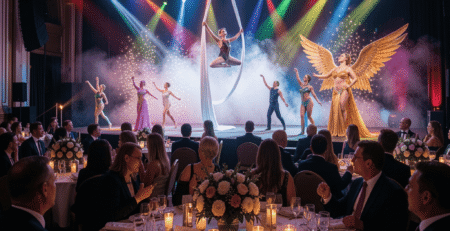
Among live entertainment options, professionally choreographed dance performances consistently rank as one of the most versatile and high-impact choices for corporate events. They can be scaled from an intimate two- or three-person routine to a large ensemble production, styled to match nearly any theme, and timed precisely to fit into an evening’s program — whether that’s a five-minute opener or a longer feature performance built around your brand.
If you’re planning an event where you want a genuine centerpiece moment rather than background ambiance, a live dance show performer is one of the most reliable ways to deliver it. Explore the full range of styles and formats available to see what would fit your event’s theme and scale.
Common Mistakes When Choosing Between Live and Static Entertainment
- Treating static decor as “enough.” A beautifully themed room can still feel flat if guests never have a moment that pulls their attention away from their phones or their conversations. Ambiance sets the stage — it rarely becomes the story on its own.
- Overloading the evening with too many live moments. Live entertainment works because it’s a highlight, not the constant state of the room. Too many performances back-to-back can exhaust guests rather than energize them; spacing performances out gives each one more impact.
- Choosing a performance style that doesn’t match the room. A high-energy dance number needs sightlines and space to land — booking the right act without confirming staging, ceiling height, or floor space with the venue is one of the most common last-minute headaches in event planning.
- Underestimating setup and rehearsal time. Live performances, especially choreographed ones, often need a sound check and run-through before doors open. Static elements typically don’t carry that same time cost, so it’s worth building extra buffer into your schedule when live entertainment is involved.
Frequently Asked Questions
Can live and static entertainment be combined at the same event?
Yes — in fact, most well-produced corporate events use both. Static elements like themed decor, lighting, and photo moments typically run throughout the event, while live performances are scheduled at specific points to create standout moments within that broader ambiance.
Is live entertainment worth it for smaller internal events?
It can be, even at a smaller scale. A shorter live performance — a few minutes rather than a full show — can still create a memorable moment for a smaller team event without requiring a large production budget.
How far in advance should live entertainment be booked?
For custom or choreographed performances, four to eight weeks of lead time is generally recommended to allow for choreography, rehearsals, and technical planning, though this can vary depending on the complexity of the act and how busy the season is.
What venues work best for live dance performances?
Most venues can accommodate a live dance performance with the right planning, but factors like ceiling height, floor space, and sightlines from guest tables all affect how the performance should be staged. It’s worth confirming these details with your entertainment provider before finalizing the venue.
Final Thoughts
Static entertainment isn’t obsolete, it plays a genuine role in setting tone and supporting brand visibility throughout an event. But when the goal is guest engagement, memorability, and creating a moment people are still talking about the next day, live entertainment consistently delivers more impact.
The best-planned events don’t choose one over the other; they use static elements to frame the room and live performance to give guests something they’ll actually remember. If that’s the goal for your next event, one of the simplest ways to get there is to hire professional dancers in Toronto who can build a performance around your brand and audience.
Ready to build a signature moment into your next event? Get in touch with our team to talk through live entertainment options tailored to your event size, theme, and budget.




Leave a Reply