

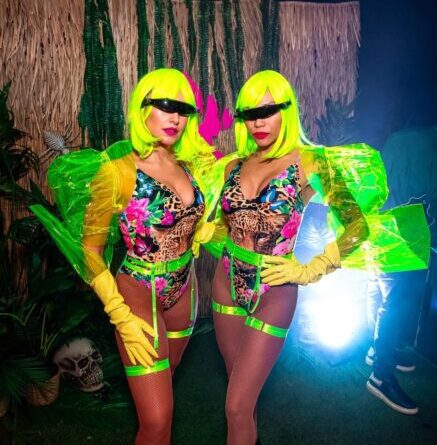
“Can you send some dancers for the event?” is one of the most common requests event planners send — and one of the most underspecified. Gogo dancers and showgirls are both staples of live event entertainment, but they come from different traditions, move differently, dress differently, and suit different kinds of events. Booking the wrong one doesn’t ruin an event, but it does mean missing the specific effect a company was actually going for.
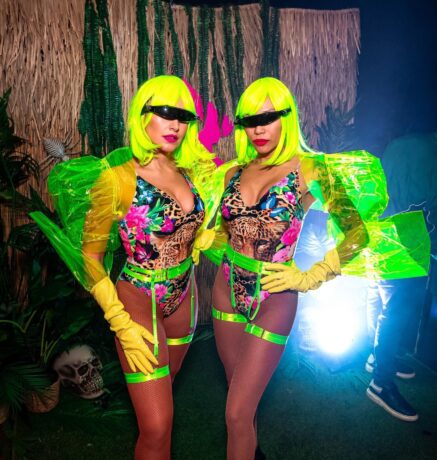
This guide breaks down exactly what separates gogo dancers from showgirls, where each style came from, and how to decide which one — or which combination — is right for a corporate event, gala, or party in Toronto.
Gogo Dancers vs Showgirls at a Glance
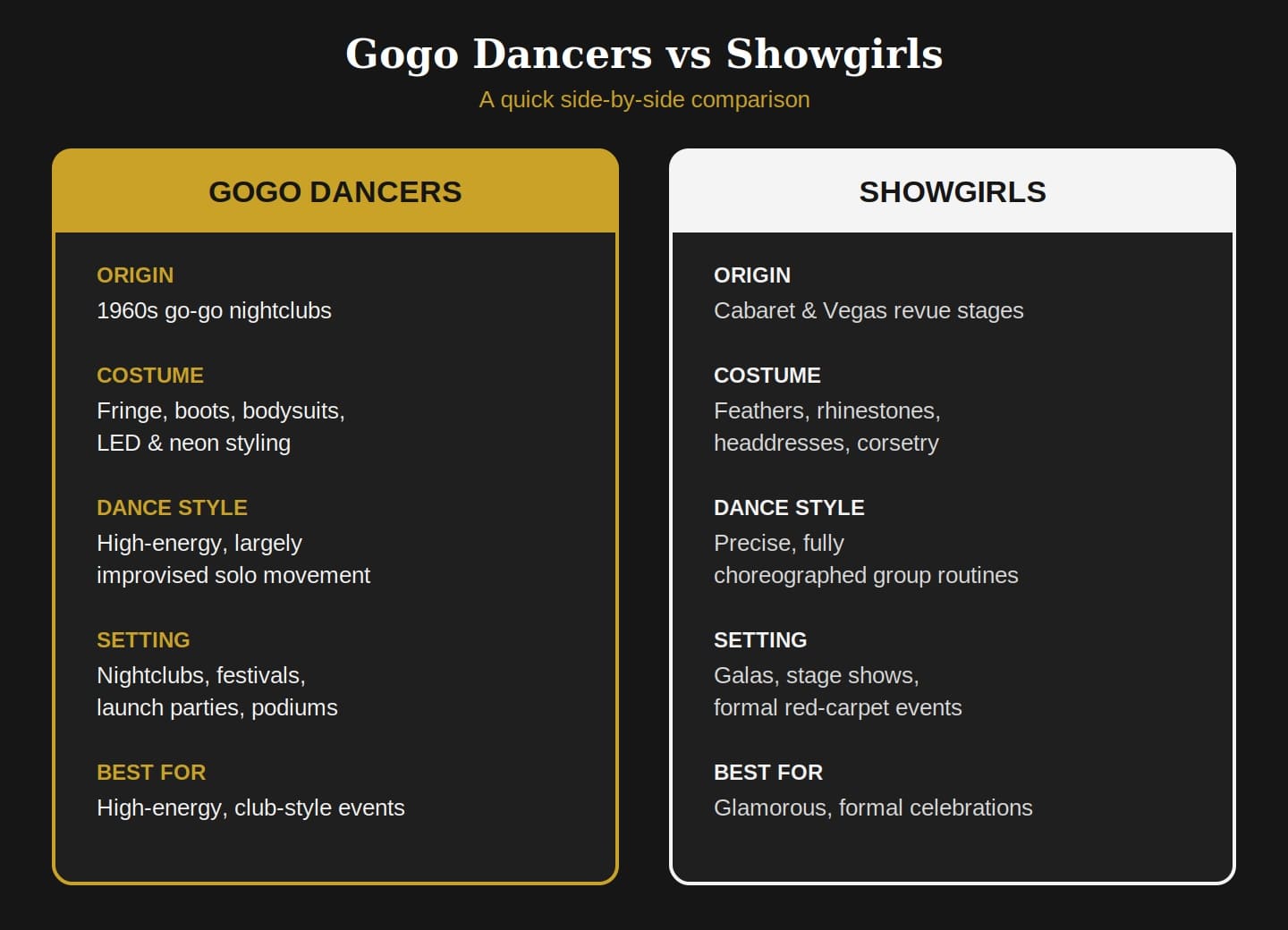
Before getting into the history and the details, here’s the short version. Gogo dancers bring high-energy, club-rooted movement built for atmosphere and crowd energy. Showgirls bring polished, choreographed spectacle built for visual glamour and stagecraft. Neither is “better” — they’re built for different jobs.
A side-by-side comparison card showing key differences between gogo dancers and showgirls across origin, costume, dance style, setting, and best use case.
Where Each Style Comes From
The difference between gogo dancers and showgirls isn’t just aesthetic — it’s historical. Each style developed in a completely different entertainment world, and that origin still shapes how each one performs today.
Gogo dancers
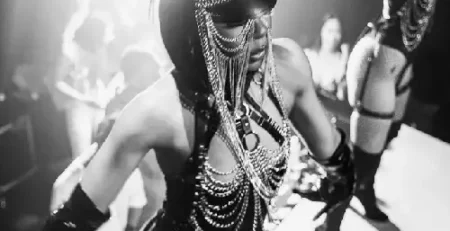
Trace back to the go-go nightclub boom of the early 1960s, when venues began hiring dancers to perform on raised platforms and in elevated booths above the crowd, keeping the energy of the room high between live sets and DJ segments.
The style was built around freeform, high-energy movement rather than formal choreography, and the look — fringe, boots, bold costuming — grew directly out of that nightclub culture. Gogo dancing has stayed close to its roots ever since: it’s still fundamentally a nightlife-driven art form, now adapted for festivals, brand activations, and corporate parties that want that same club-floor energy.
Showgirls
Come from an entirely different lineage: the cabaret and stage-revue tradition that produced everything from the Follies to the grand feathered productions synonymous with classic Las Vegas.
That world was built on spectacle — large ensembles, elaborate costuming, and tightly choreographed routines designed to be watched from a distance, in a theatre or showroom setting. Where gogo dancing grew out of the dance floor, the showgirl tradition grew out of the stage, and that distinction still defines the art form today.
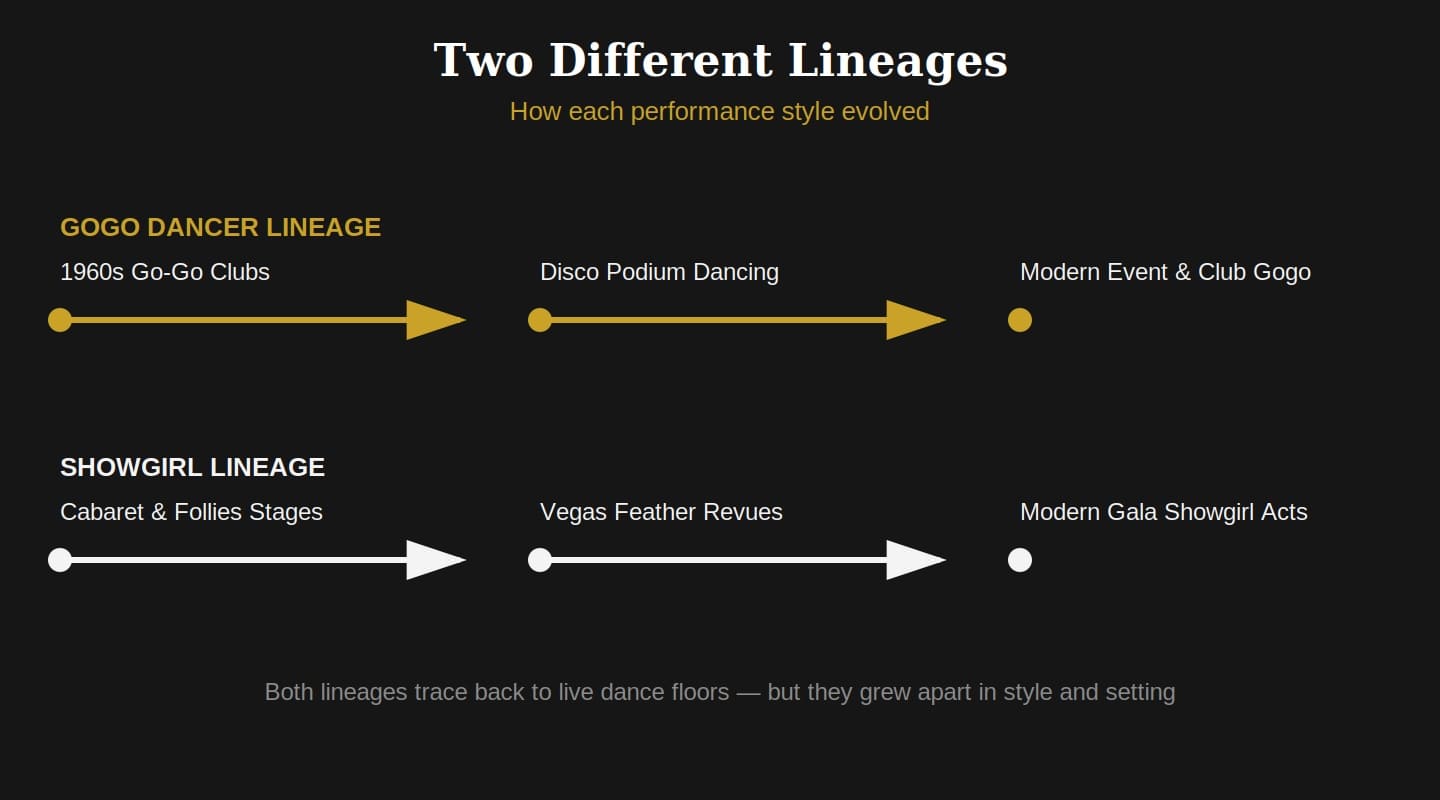
A timeline diagram comparing the historical evolution of gogo dancers, from 1960s go-go clubs to modern event dancers, against the evolution of showgirls, from cabaret and Vegas revue stages to modern gala performances.
Costume and Visual Identity
Costuming is often the fastest way to tell the two apart at a glance. Gogo dancer costumes tend to be sleek, athletic, and adaptable — fringe skirts, bodysuits, boots, and increasingly, LED and illuminated styling that plays well under club lighting and gives a modern, high-tech edge. The look is built for movement first, spectacle second.
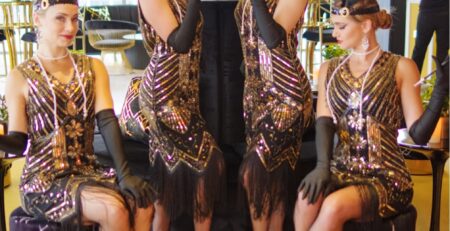
Showgirl costuming flips that priority. Feathers, rhinestones, elaborate headdresses, and structured corsetry are designed to command a room from a distance, catching light and drawing the eye even when the performer is standing still. The costume itself is part of the performance — a showgirl’s silhouette is instantly recognizable as a symbol of glamour, in a way a gogo dancer’s outfit typically isn’t trying to be.
Dance Style: Improvised Energy vs Choreographed Spectacle
The movement itself is where the two styles diverge most. Gogo dancing is largely improvisational — a skilled gogo dancer reads the music and the crowd in real time, adjusting energy and style on the fly. It’s built for sustained performance across a long event, often solo or in loosely coordinated pairs, keeping a room’s energy elevated over hours rather than delivering one big moment.
Showgirl performance is the opposite: tightly choreographed, rehearsed group routines with precise formations, timed reveals, and a clear beginning, middle, and end. It’s built to be watched as a complete piece, the way a dance show is watched, rather than experienced as ongoing ambient entertainment.
Setting and Audience Interaction
Gogo dancers are typically roaming or podium-based, working within the crowd or just above it, making them naturally interactive. Guests can approach, photograph, and dance alongside them throughout the night. This makes gogo dancers a strong fit for events where sustained atmosphere matters more than a single showpiece moment — product launches, brand activations, and any event with a nightclub or lounge energy.
Showgirls, by contrast, are usually staged — performing a set piece at a specific point in the evening, such as a grand entrance, an award presentation, or a formal reveal moment, before shifting into a more interactive walkabout role for photos. That structure makes showgirls a natural fit for galas, award nights, and Vegas- or Parisian-themed events where a defined “wow” moment matters as much as ongoing energy.
Which One Fits Your Event?
- Product launches and brand activations: Gogo dancers, ideally paired with LED performers for a bold, modern visual identity.
- Corporate galas and award nights: Showgirl-style glamour, often layered with mirror costume performers or champagne skirt hosts for a fully themed, high-glamour entrance.
- Nightclub-style parties and after-hours events: Gogo dancers, who are built specifically for sustained club energy over a long night.
- Vegas, Parisian, or casino-themed events: Showgirl-style choreography and costuming, which was purpose-built for exactly this kind of themed spectacle.
- Trade shows and conference booths: Gogo dancers for roaming crowd engagement, or a short showgirl-style choreographed moment to draw attention at scheduled intervals.
Can You Book Both?
Yes — and for larger events, many companies do. A common approach pairs a choreographed showgirl-style opening or centrepiece moment with roaming gogo dancers to maintain energy throughout the rest of the night. The showgirl moment delivers the photographable, talked-about spectacle early in the evening; the gogo dancers keep the room’s energy elevated for the hours that follow. A good event management team will help sequence both so neither competes with the other for the room’s attention.
Frequently Asked Questions
Are showgirls the same as burlesque performers?
No. Showgirl performance is built around choreographed group routines and elaborate costuming for visual spectacle, while burlesque is a distinct theatrical tradition built around storytelling, character, and a slower reveal-based performance style.
Can gogo dancer costumes be customized to match our brand colours?
Yes. Costuming, including LED elements, can typically be adjusted to match a brand’s palette or event theme, which is part of what makes gogo dancers such a flexible fit for product launches and activations.
How many showgirls or gogo dancers do we need for a corporate event?
It depends on the size of the venue and the room’s energy needs. Smaller client events often work well with one or two performers, while larger galas or launches typically use a small ensemble to make sure the entertainment reads clearly across the whole room.
Is one option more expensive than the other?
Pricing depends more on group size, costuming complexity, and performance length than on the category itself. A single gogo dancer and a single showgirl performer are often similarly priced; costs scale mainly with the number of performers and how customized the concept is.
Book Gogo Dancers or Showgirl-Style Entertainment with StarMuse
StarMuse Entertainment has spent more than a decade producing art-based entertainment for corporate events across Toronto, from high-energy gogo dancers to glamorous, fully choreographed dance shows and themed showgirl-style performances. Not sure which style is right for your event? Get in touch with our team or browse our full event entertainment services to start planning.
Book Now to reserve entertainment for your next corporate event, gala, or celebration.
Leave a Reply