
What is a Gogo Dancer?
Gogo dancers are live entertainment performers who dance in high-energy social environments such as corporate events, nightclubs, private parties, festivals, and luxury celebrations. Unlike traditional stage performers who follow a fixed theatrical production, gogo dancers interact dynamically with the atmosphere of the event, using freestyle movement, choreographed routines, themed costumes, and crowd engagement to elevate energy and create an immersive guest experience.
Originating in the 1960s nightclub culture, gogo dancing has evolved into a sophisticated form of event entertainment widely used at modern corporate and private events.
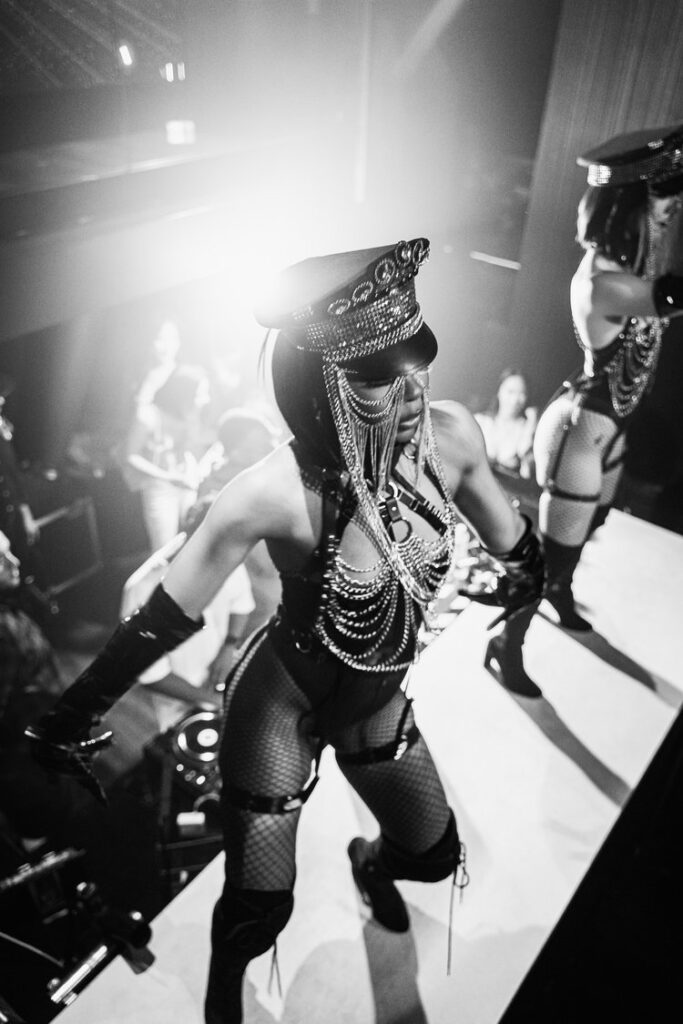
As event entertainment continues evolving toward more immersive and experience-led environments, gogo dancers have become increasingly popular within corporate events, luxury parties, nightlife experiences, and branded activations. Their presence contributes movement, visual rhythm, and social energy in ways that feel fluid and interactive rather than staged or distant.
Today, many event planners choose to hire gogo dancers in Toronto because they create an atmosphere that feels energetic, visually engaging, and socially dynamic while adapting naturally to the rhythm of the event itself.
The Meaning of Gogo Dancers
The term “gogo dancer” refers to performers who dance within social and entertainment environments to maintain energy and guest engagement throughout an event. Unlike concert dancers or theatrical performers, gogo dancers are not always confined to a stage or structured production format.
Their role is often more immersive and environmental.
Gogo dancers may perform:
- On elevated platforms
- Throughout the venue
- Alongside DJs and live music
- Within themed entertainment environments
- As part of experiential corporate events and luxury celebrations
Their performance style typically combines freestyle movement with choreographed elements designed to complement the music, pacing, and atmosphere of the event.
Modern gogo dancers are often selected not only for dance ability, but also for stage presence, crowd awareness, energy management, and visual presentation.
The History of Gogo Dancing
The history of gogo dancing dates back to the 1960s, particularly within nightclub culture in the United States and Europe.
The word “gogo” is believed to derive from the French expression à gogo, meaning “in abundance” or “in plenty.” During the rise of discotheques and modern nightlife culture, clubs began incorporating dancers to energize crowds and create a more visually immersive environment.
One of the earliest and most influential examples emerged in Los Angeles at the famous Whisky a Go Go nightclub, where dancers performed in elevated cages above the audience. The concept quickly became associated with nightlife, live music environments, and social dancing culture.
Over time, gogo dancing evolved significantly beyond its nightclub origins.
Today, gogo dancers perform across a wide range of event formats, including:
- Corporate galas
- Product launches
- Brand activations
- Luxury weddings
- Fashion events
- Nightlife entertainment
- Experiential marketing campaigns
- Private parties and celebrations
The modern interpretation of gogo entertainment is far more versatile and visually sophisticated than earlier versions associated purely with nightclub culture.
What Do Gogo Dancers Actually Do at Events?
One of the most common questions people ask before booking entertainment is what gogo dancers actually do during an event.
The answer depends largely on the type of event, the entertainment format, and the atmosphere being created.
In modern event environments, go-go dancers play a dynamic role in shaping the overall energy and atmosphere of the experience. Their presence helps maintain momentum within the room, encourages natural guest engagement, and introduces continuous visual movement throughout the venue.
Rather than functioning as isolated performers, they support the rhythm of the event itself, helping transitions between networking, entertainment, and social segments feel more fluid and cohesive.
Gogo dancers also work seamlessly alongside DJs, live music, lighting design, and production environments, contributing to an immersive atmosphere that feels energetic, visually engaging, and socially interactive.
Unlike formal dance productions that follow a strict beginning and end, gogo dancers often perform continuously throughout the event in intervals, adapting dynamically to crowd energy and music pacing.
Their role is closely connected to atmosphere management.
At corporate events, for example, gogo dancers may perform during networking sessions, cocktail receptions, after-parties, or product reveals, where movement and energy help create a more engaging environment.
At private parties and nightlife events, they contribute visual excitement and social energy while interacting naturally with guests.
How Gogo Dancers Differ From Stage Performers
One of the defining differences between gogo dancers and traditional stage performers is the nature of audience interaction.
Stage performances are typically structured around observation. Guests pause, watch the performance, and then return to the broader event experience.
Gogo dancers function differently.
Their presence is designed to integrate into the environment itself.
Rather than separating performers from guests through distance and staging, gogo entertainment often creates a more fluid relationship between movement, music, and social interaction.
This distinction significantly changes the atmosphere of the event.
Because gogo dancers perform within the environment rather than outside it, guests tend to feel more immersed in the energy of the experience itself. The movement becomes part of the rhythm of the evening rather than a temporary interruption to it.
This is one reason why gogo dancers are increasingly popular in contemporary experiential event design.
The Role of Costumes and Visual Presentation
Visual presentation plays an important role in modern gogo entertainment.
Today’s performances often incorporate:
- Themed costumes
- LED outfits
- Reflective and futuristic styling
- Festival-inspired fashion
- Branded visual elements
- Luxury nightlife aesthetics
Costuming helps align performers with the visual identity of the event itself.
For corporate events, costumes may reflect brand colors, futuristic themes, or production aesthetics. For private parties and nightlife events, styling may be tailored toward luxury, glamour, immersive themes, or contemporary club culture.
The strongest performances feel visually integrated into the event environment rather than disconnected from it.
Why Go-Go Dancers Are Popular at Corporate Events
Corporate entertainment has evolved considerably in recent years. Businesses increasingly prioritize events that feel engaging, immersive, and socially dynamic rather than overly formal or rigidly structured.
Gogo dancers support this shift because they contribute movement and atmosphere without disrupting networking or guest interaction.
Unlike large stage productions that require focused audience attention, gogo dancers maintain energy more organically throughout the evening.
Many organizations now incorporate dancers into:
- Corporate galas
- Product launches
- Brand activations
- Holiday parties
- VIP networking events
- After-parties and experiential campaigns
The entertainment helps create environments that feel contemporary, visually active, and socially engaging.
The Psychology Behind Gogo Entertainment
Movement naturally attracts human attention.
In event environments, static spaces can gradually lose energy over time, particularly during longer networking sessions or social gatherings. Gogo dancers introduce continuous visual rhythm into the room, helping maintain engagement without overwhelming the environment.
Movement also influences social behavior.
When guests observe shared movement and energy within the environment, interaction often becomes more fluid. Conversations feel less formal, and the atmosphere tends to become more socially relaxed and immersive.
This psychological effect explains why dance-based entertainment continues to remain effective across both nightlife and corporate event environments.
What to Look for Before Booking Gogo Dancers
Before booking entertainment, it is important to understand the style and approach of the performers being hired.
Professional gogo entertainment should include:
* Strong crowd awareness – Professional gogo dancers understand how to read the energy of the room and adjust their performance naturally to match the atmosphere of the event.
* Professional presentation – From appearance and posture to performance etiquette, experienced dancers maintain a polished presence that aligns with premium event environments.
* Experience in live event environments – Performers with event experience know how to work within changing lighting, music, guest flow, and production conditions seamlessly.
* Thematic costume integration – Costumes should complement the visual identity, theme, or branding of the event to create a cohesive entertainment experience.
* Ability to adapt to music and pacing – Skilled dancers transition smoothly between different music styles, tempos, and energy levels throughout the event.
* Understanding of audience interaction – Effective performers know how to engage guests in a way that feels natural, energetic, and socially comfortable without overwhelming the environment.
The strongest performers understand how to contribute to the atmosphere without overpowering the overall event experience.
It is also important to choose performers whose style aligns with the tone of the event itself. A luxury corporate gala, for example, may require a more elevated and visually refined approach compared to a nightlife-driven party environment.
The StarMuse Approach to Gogo Entertainment
At StarMuse, Gogo entertainment is approached as part of the broader event atmosphere rather than an isolated performance.
Our performers combine:
– Freestyle movement
– Choreographed routines
– Crowd interaction
– Themed costume styling
– Immersive energy management
Whether performing at corporate events, luxury private parties, branded experiences, or nightlife environments, the goal is always to create movement that feels integrated into the rhythm of the event itself.
Costuming, pacing, music alignment, and guest interaction are all carefully considered to ensure the performance contributes naturally to the environment.
The result is an experience that feels visually engaging, socially dynamic, and aligned with the atmosphere the event is designed to create.
Conclusion
Gogo dancers have evolved significantly from their origins in 1960s nightclub culture into one of the most adaptable and immersive forms of modern event entertainment.
Today, they contribute far more than movement alone. Through atmosphere, visual rhythm, crowd engagement, and environmental energy, gogo dancers help shape how guests experience events in real time.
Whether used within corporate entertainment, luxury parties, nightlife experiences, or experiential activations, their role continues to expand as events become increasingly immersive and experience-led.
For planners looking to create environments that feel energetic, contemporary, and socially engaging, professional gogo entertainment remains one of the most effective ways to bring movement and atmosphere into the heart of the event experience.
Leave a Reply