
Dance has remained a meaningful part of social gatherings across cultures and generations, continually adapting to the way people celebrate, connect, and experience events. Within contemporary event entertainment, its role has expanded considerably. Dance today contributes not only to performance, but also to atmosphere, visual composition, guest engagement, and experiential design.
In cities such as Toronto, where events increasingly emphasize thoughtful curation and immersive experiences, dance has evolved into a multidimensional element within modern celebrations. From corporate galas and luxury weddings to brand activations and private parties, movement is now integrated into the broader narrative of the event itself.
Dance as a Cultural and Social Foundation
Historically, dance has functioned as a shared form of expression. Across different traditions, it has marked celebrations, ceremonies, and collective experiences, often reflecting cultural identity and community values.
As entertainment industries developed through the twentieth century, dance became more structured within professional performance settings. Choreography, staging, costume design, and musical synchronization introduced new levels of refinement and presentation. These developments laid the groundwork for how dance would later evolve within modern event entertainment.
Today, many event performances continue to draw from this foundation while adapting to contemporary expectations surrounding audience engagement and visual storytelling.
The Expansion of Dance Within Modern Events
As event planning became increasingly specialized, entertainment evolved alongside it. Organizers began placing greater emphasis on how guests interacted with the environment, leading to a broader use of live performance elements within events.
Dance became especially valuable because of its adaptability. It could:
- Introduce energy into large venues
- Support transitions throughout the evening
- Complement event themes and aesthetics
- Encourage engagement without disrupting flow
This flexibility allowed dance performances to become relevant across a wide range of formats, including corporate events, weddings, experiential campaigns, and private celebrations.
In Toronto, the demand for curated entertainment experiences has also contributed to the growth of specialized performance formats. Event planners increasingly explore options to book dance shows for parties in Toronto that align with the tone and structure of the event rather than functioning as isolated stage segments.
From Scheduled Performance to Integrated Experience
One of the most important developments in event entertainment has been the movement toward integration. Earlier event formats often presented dance as a standalone act within a fixed program structure.
Contemporary event design approaches dance differently. Performances are increasingly integrated into the environment itself, contributing continuously to the atmosphere and interaction.
This shift can be seen through:
- Roaming and immersive choreography
- Interactive guest engagement
- Movement-based visual storytelling
- Integration with lighting and spatial design
Rather than existing separately from the event, dance now frequently shapes how guests move through and experience the environment.
The Influence of Technology on Dance Entertainment
Technology has significantly expanded the creative possibilities of dance within events. Lighting systems, LED integration, projection mapping, and synchronized visuals have transformed how performances are presented.
Modern productions may incorporate:
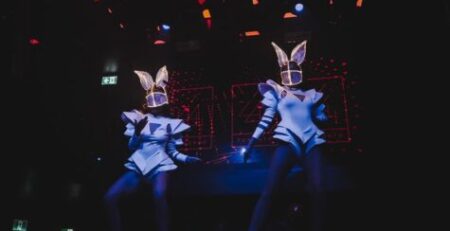
- LED dancers and programmable costumes
- Laser integration
- Motion-reactive lighting
- Digital visual environments
These advancements have created new forms of visual engagement while allowing performances to align more closely with contemporary event aesthetics.
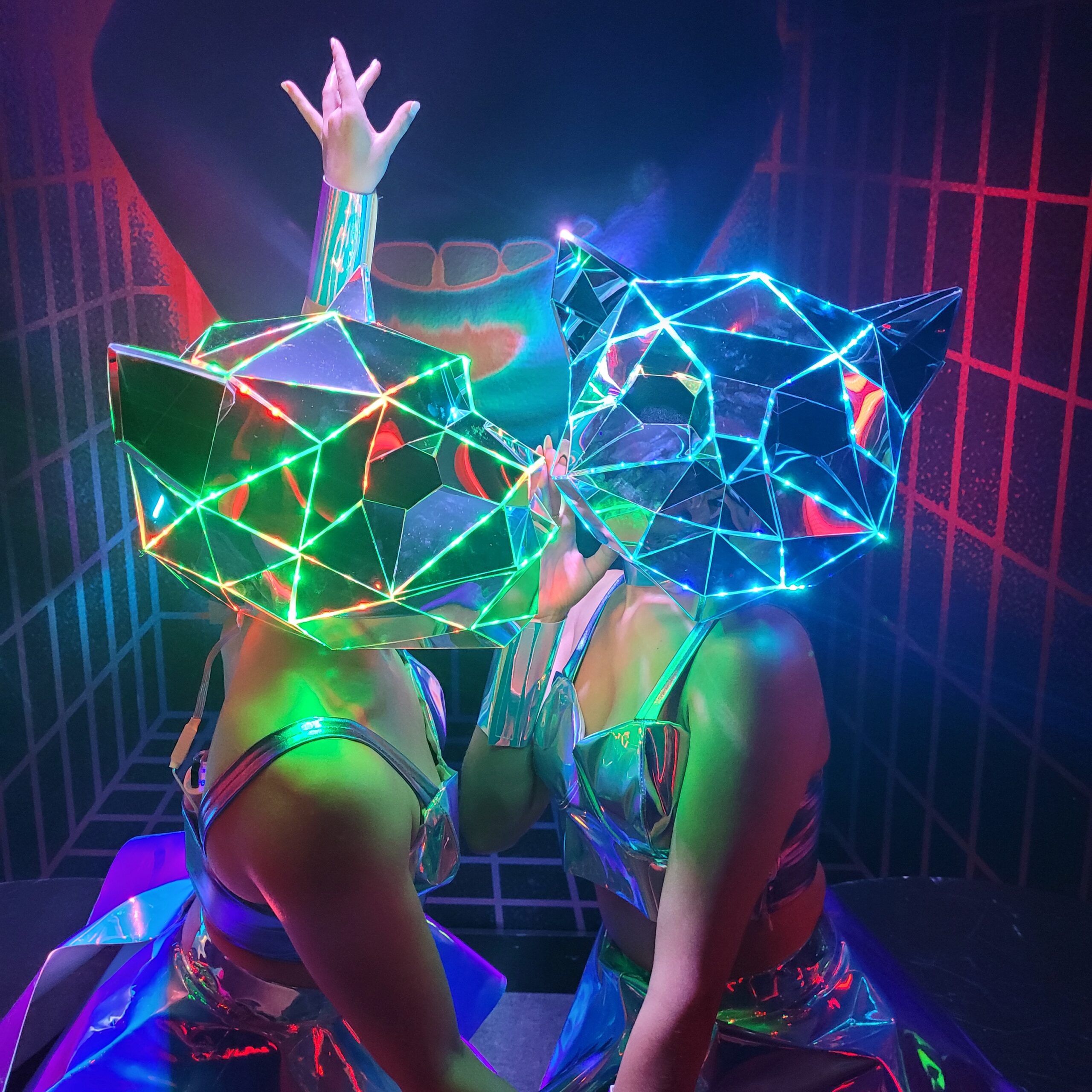
For example, many organizers now choose to hire LED dancers and Tron dancers for events to create visually immersive environments that combine choreography with lighting design. These performances are particularly effective in corporate events and large-scale celebrations where visual impact and atmosphere are central considerations.
Cultural Diversity and Contemporary Performance
The evolution of dance in event entertainment has also been shaped by cultural diversity and global influence. Modern audiences are increasingly familiar with a wide range of performance traditions, allowing events to incorporate varied styles in thoughtful and contemporary ways.
Cultural dance performances contribute depth and authenticity while supporting inclusivity within event environments. In Toronto, multicultural audiences have encouraged the continued presence of:
- Belly dance performances
- Fusion choreography
- Contemporary cultural showcases
- Interactive global dance styles
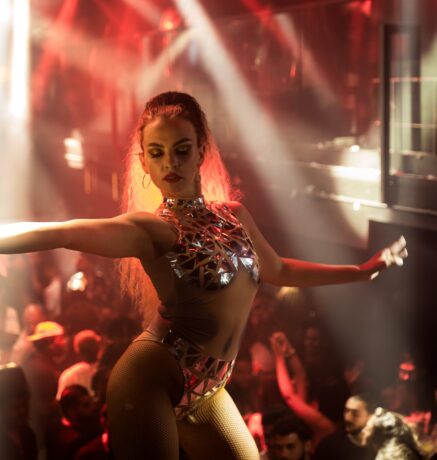
Many event planners choose to include belly dancers for parties in Toronto as part of themed celebrations, weddings, and corporate entertainment programs where movement and cultural artistry contribute to the atmosphere in a refined and engaging way.
Dance and Spatial Experience
Movement influences how people perceive space. This principle has become increasingly important within modern event design.
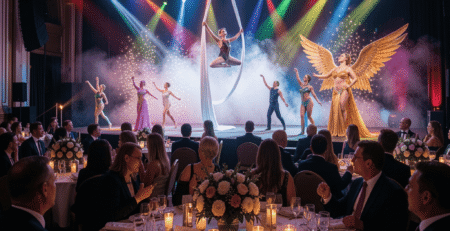
Dance performances now often interact directly with venue architecture, guest movement, and environmental composition. Aerial choreography, roaming performers, and immersive staging expand performance beyond the traditional stage format.
This approach allows movement to shape:
- Attention within the room
- Energy distribution
- Guest circulation
- Visual rhythm throughout the event

The result is a more fluid environment where entertainment contributes to the overall spatial experience rather than functioning as a separate focal point.
The Emergence of Experiential Entertainment
Modern audiences increasingly value experiences that feel immersive, visually cohesive, and participatory. Dance has adapted naturally to this shift because movement creates engagement without requiring formal interaction.
Experiential entertainment often combines dance with other visual elements such as:
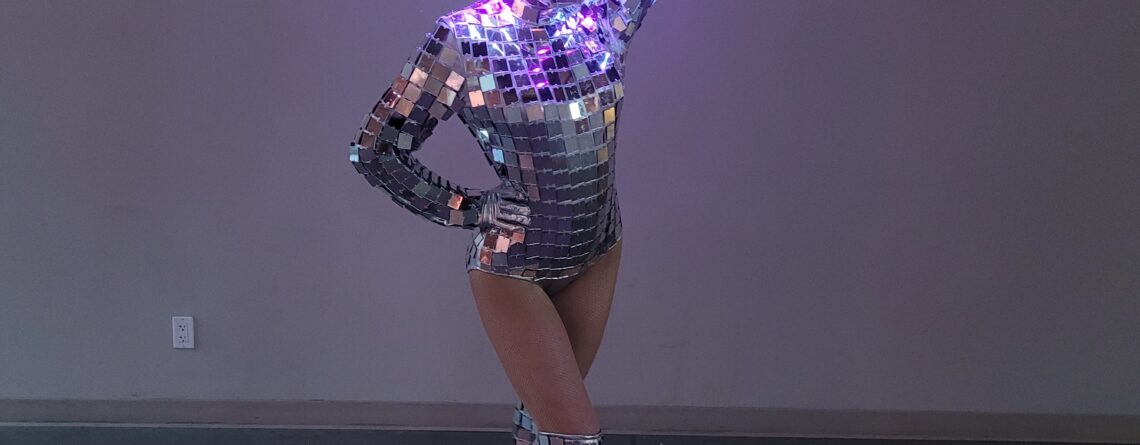
- Mirror costume performers
- Aerialists
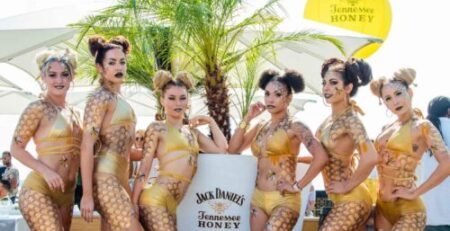
- Champagne skirt entertainment
- Circus acts
- Interactive lighting installations
These combinations create layered environments where movement, design, and atmosphere work together cohesively.
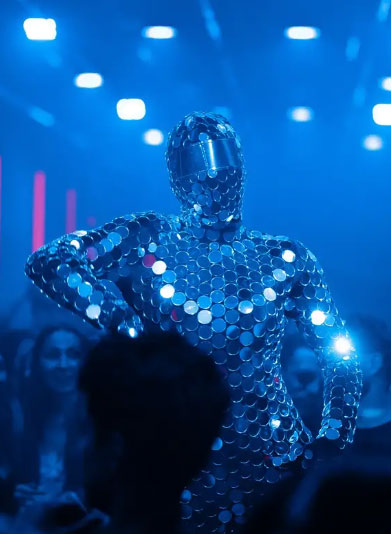
This integrated approach is especially visible within luxury and corporate event planning, where entertainment is selected not only for performance value, but also for how it contributes to the broader event narrative.
Dance Within Corporate Event Entertainment
Corporate events have evolved considerably over the past decade. Businesses increasingly approach live events as opportunities to strengthen engagement, reinforce brand identity, and create memorable guest experiences.
Dance performances support these objectives by contributing:
- Visual sophistication
- Structured energy
- Coordinated presentation
- Brand-aligned choreography
As a result, many organizations work with a corporate entertainment company in Toronto to integrate performance elements that align with both audience expectations and event objectives.
This evolution reflects a broader understanding that entertainment contributes meaningfully to how guests perceive the overall quality and intentionality of an event.
Social Media and Visual Documentation
The role of visual documentation has also influenced how dance performances are designed. Events are increasingly experienced simultaneously in physical and digital spaces, with guests capturing and sharing moments throughout the evening.
Dance performances naturally support this environment because movement, lighting, and costume design translate effectively into photography and video.
Performances today are often designed with awareness of:
- Camera visibility
- Spatial composition
- Lighting interaction
- Social sharing behavior
This has contributed to the growing importance of visually immersive entertainment formats within modern events.
The Continued Relevance of Human Movement
Despite technological innovation and evolving event formats, the continued relevance of dance ultimately comes from its human quality. Movement remains one of the most instinctive forms of communication and expression.
Dance creates emotional atmosphere, visual rhythm, shared attention, and social energy.
Its ability to function simultaneously as art, interaction, and environmental design explains why it continues to evolve successfully within event entertainment.
Conclusion
The evolution of dance in event entertainment reflects broader changes in how events are conceived and experienced. What began primarily as a stage-based performance has developed into a more integrated and experiential form of engagement.
Through cultural diversity, technological innovation, spatial design, and interactive presentation, dance now contributes to atmosphere, visual identity, and guest perception in increasingly sophisticated ways.
As modern events continue to prioritize cohesion, immersion, and meaningful engagement, dance remains uniquely positioned to support these objectives through movement, artistry, and human connection.





Leave a Reply