
Movement plays a subtle yet influential role in how people experience events. Long before guests consciously evaluate décor, entertainment, or programming, they begin responding to the rhythm of the environment itself. The pace of interaction, the flow of the room, and the presence of movement within the space all contribute to how the event feels on a psychological level.
In contemporary event design, this understanding has become increasingly important. Events are no longer viewed solely as scheduled gatherings. They are designed as environments that guide attention, shape engagement, and influence perception. Within this framework, movement functions as one of the most effective tools for creating atmosphere and connection.
How Movement Shapes Attention
Human attention is naturally drawn toward movement. This response is instinctive and deeply connected to how people perceive their surroundings. In event spaces, movement introduces visual rhythm, helping guests remain engaged with the environment without requiring constant stimulation.
Dance performances, roaming entertainers, aerialists, and immersive visual acts contribute to this effect by creating moments of motion within otherwise static spaces. Rather than functioning simply as entertainment segments, they influence how guests observe and interact with the event itself.
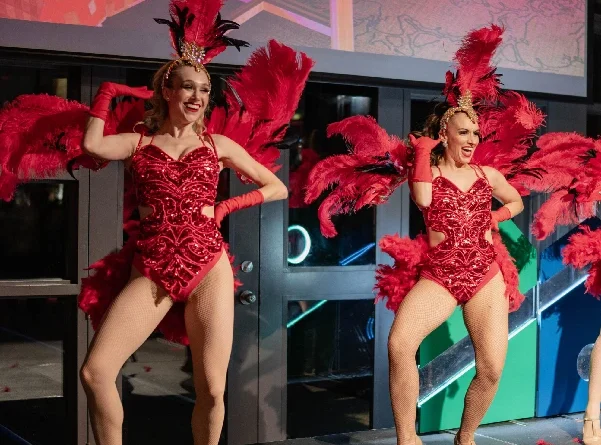
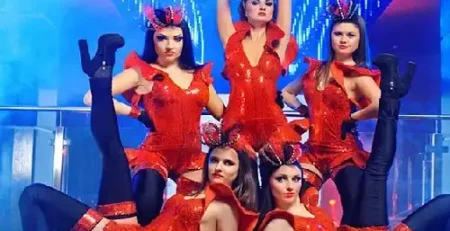
For example, many planners choose to hire dancers for events because movement introduces energy and continuity throughout the evening. Choreographed performances help shape transitions within the event while also creating focal moments that feel intentional and cohesive.
The Relationship Between Movement and Spatial Experience
Movement also changes how people perceive space. In traditional event layouts, attention is often directed toward fixed areas such as stages, bars, or installations. Introducing performers who move throughout the venue creates a more fluid interaction between guests and the environment.
This dynamic influences circulation, visual balance, and social interaction. Guests tend to respond more actively in spaces where movement unfolds around them, particularly when the performance feels integrated rather than isolated.
Aerial choreography offers a strong example of this principle. Many event planners now choose to hire aerialists in Toronto for parties because vertical movement expands the visual experience beyond eye level, changing how guests engage with architecture and lighting within the venue.
The result is a layered spatial experience where entertainment contributes directly to atmosphere and environmental perception.
Movement and Emotional Atmosphere
Events are often remembered less for individual details and more for how the environment felt overall. Movement contributes significantly to this emotional atmosphere.
Rhythm, pacing, and coordinated choreography influence collective energy within the room. Slower, fluid movement can create elegance and calm, while synchronized high-energy performances introduce excitement and momentum.
This psychological effect explains why dance continues to hold such an important place within event entertainment. Movement communicates emotionally before it is processed intellectually. Guests respond instinctively to rhythm, coordination, and visual flow.
Contemporary event entertainment increasingly uses this understanding to shape guest experience more intentionally.
The Role of Visual Continuity
Movement also supports visual continuity throughout an event. In carefully designed spaces, performers become part of the broader visual composition alongside lighting, décor, and architectural elements.
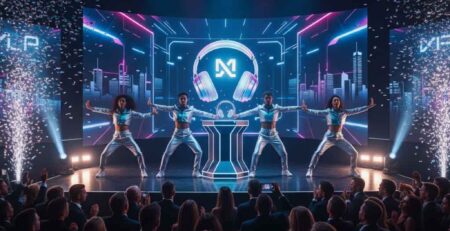
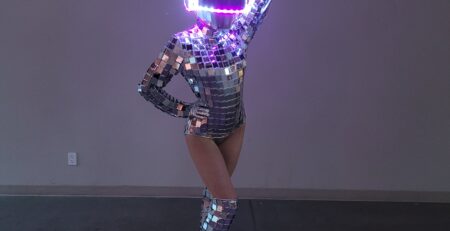
LED performers illustrate this particularly well. Many organizers choose to hire LED dancers and Tron dancers for events because illuminated choreography interacts directly with lighting design and digital environments. The performance becomes part of the visual identity of the event itself rather than functioning as a separate attraction.
This integration creates environments that feel cohesive and immersive, where movement contributes to the overall rhythm of the experience.
Movement as Social Facilitation
Movement within event spaces also influences social interaction. Guests often respond more comfortably in environments where visual activity creates natural conversation points and shared attention.
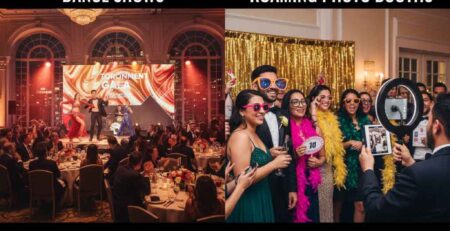
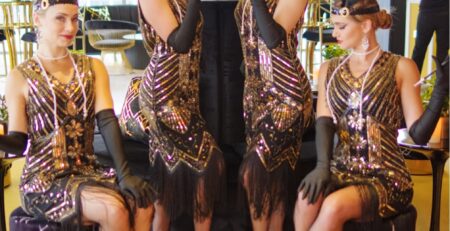
Performances encourage guests to pause, observe, and engage collectively, helping ease transitions between networking, dining, and celebration. Roaming entertainers and interactive performers are especially effective because they introduce engagement gradually throughout the event.
In many corporate and social settings, entertainment functions not only as spectacle, but also as a facilitator of social energy.
Cultural Expression Through Movement
The psychology of movement is also closely connected to cultural familiarity and emotional resonance. Different dance traditions communicate distinct moods, aesthetics, and forms of storytelling.
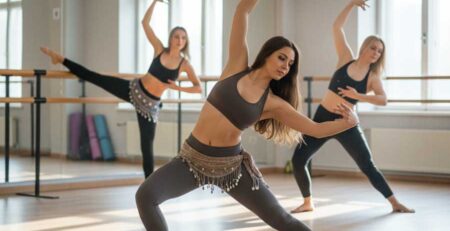
In multicultural event environments such as Toronto, this creates opportunities for performances that feel both visually engaging and culturally meaningful. Many planners include belly dancers for parties in Toronto as part of weddings, themed events, and private celebrations because the movement style contributes elegance, rhythm, and cultural artistry within the atmosphere of the event.
These performances often create strong audience engagement because movement carries emotional and visual associations that extend beyond choreography itself.
The Influence of Contemporary Event Culture
Modern event culture increasingly values immersive experiences that feel cohesive, visually engaging, and shareable. Movement plays a central role in achieving this balance.
Dance, aerial performance, circus arts, and interactive entertainment all contribute to how guests document and remember events. Motion naturally translates into photography and video, adding depth and dynamism to visual content captured throughout the evening.
At the same time, movement supports pacing within the event itself. Carefully timed performances create progression and variation, helping maintain engagement across longer experiences.
Movement as Experiential Design
One of the most important shifts within modern event entertainment is the understanding that movement contributes to experiential design rather than existing solely as performance.
Entertainment today often functions as part of a larger environmental composition that includes lighting, sound, service, architecture, and guest interaction. Within this structure, movement becomes a design element that shapes perception continuously throughout the event.
This is particularly visible in environments where performers interact fluidly with guests and space rather than remaining confined to a stage format. The event feels more immersive because engagement unfolds naturally within the environment itself.
Conclusion
The psychology of movement in event spaces reflects the increasingly thoughtful way modern events are designed and experienced. Movement influences attention, atmosphere, interaction, and spatial perception, contributing to environments that feel dynamic and engaging without overwhelming the guest experience.
As event entertainment continues to evolve, movement remains one of the most effective ways to create rhythm, cohesion, and emotional connection within a space. Whether through dance performances, aerial choreography, immersive entertainment, or interactive visual acts, movement continues to shape how events are experienced, remembered, and shared.



Leave a Reply